November 10, 2026
Selecting suitable kitchen or bathroom surfaces represents a major decision during residential remodeling projects. Homeowners frequently encounter distinctive surfacing materials that sound remarkably similar yet possess fundamentally distinct physical compositions. Choosing between engineered mineral surfaces and naturally quarried stone requires an appreciation of how each product behaves under daily domestic use. While aesthetic preferences guide many preliminary decisions, understanding structural endurance, stain resistance, and routine upkeep ensures an investment that brings lasting satisfaction. Exploring the technical differences between engineered and natural slabs empowers property owners to make confident design choices suited to their unique culinary routines. By examining performance attributes across multiple everyday scenarios, families can readily determine which surface material harmonizes best with their domestic priorities and architectural visions.
Examining Geological Origins
Understanding the essential divergence between these popular options starts with their origin and fabrication methods. Natural quartzite begins deep within the crust of the earth as pure sandstone subjected to intense tectonic heat and pressure. Over geological eras, quartz grains recrystallize into an exceptionally hard metamorphic rock quarried in massive blocks from mountainous regions. Slabs cut from these natural deposits showcase unique organic patterns, mineral veining, and authentic geological formations created through natural forces. Because individual quarried blocks never share identical mineral deposits, every installation delivers distinct visual character that celebrates raw natural artistry.
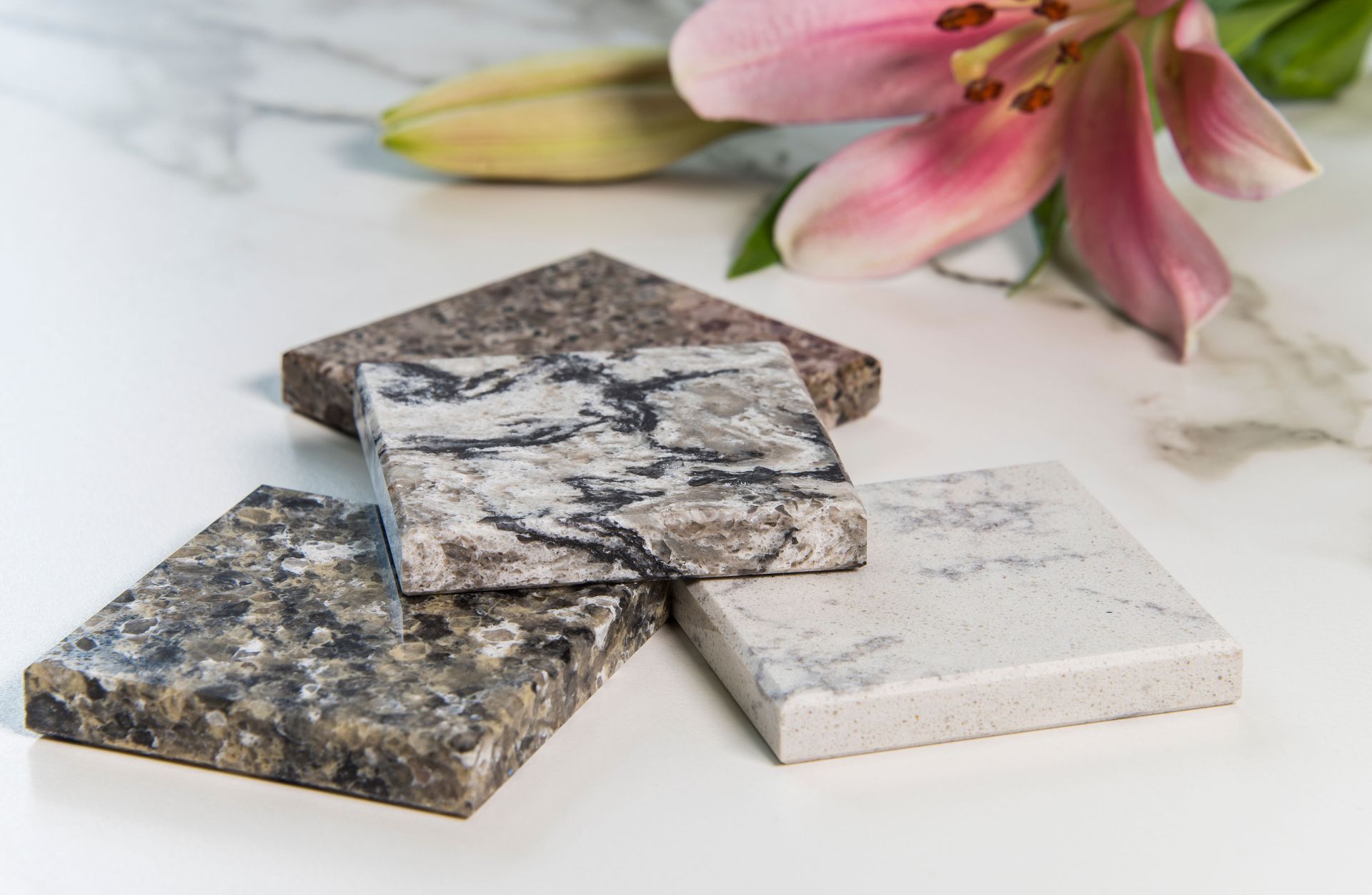
Engineered options take a modern industrial approach to stone surfaces, combining mined minerals with specialized binders. According to US News, quartz is a manmade stone that is composed of roughly 80% to 93% natural material mixed with pigments and resins, making it a very durable and low-maintenance option. Manufacturers grind natural minerals into fine granules, blend them with polymer binders, and compress the mixture under intense mechanical compaction. This controlled manufacturing process produces nonporous slabs that exhibit uniform structural consistency across entire production runs. Consequently, quartz countertops offer predictable performance and aesthetic uniformity that natural geological deposits simply cannot replicate.
Comparing Durability Characteristics
Everyday kitchen activities subject surfaces to relentless mechanical friction, sharp utensils, and heavy cookware impacts. Natural quartzite ranks remarkably high on the mineral hardness scale, outperforming granite and resisting scratch damage from standard kitchen knives. Its metamorphic structure withstands heavy impacts, making it an extraordinarily resilient surface for bustling households and avid home chefs. However, because natural stone can contain internal fissure lines or micro-fractures formed during extraction, proper edge fabrication remains essential to avoid localized chipping along perimeter rims.
Engineered mineral slabs deliver outstanding resistance to daily wear through advanced polymer reinforcement. The inclusion of flexible polymer binders gives the material slight tensile flexibility, helping it absorb heavy utensil impacts without developing structural micro-fissures. Because manufacturing takes place in tightly regulated factory settings, quartz countertops feature dense physical composition free from internal voids or hidden hairline cracks. This structural integrity prevents deep gouges and corner fractures during demanding meal preparation routines, giving homeowners reliable long-term peace of mind.
Evaluating Maintenance Requirements
Routine cleaning and ongoing care protocols represent another vital consideration when selecting residential worktops. Because natural quartzite represents an authentic porous stone, liquids can seep into untreated micro-pores over time. Spills involving red wine, citrus juice, dark coffee, or cooking oils can leave permanent discoloration if left unattended on unsealed surfaces. To prevent liquid absorption, homeowners must apply penetrating sealers periodically, maintaining a protective chemical barrier that repels stains and preserves mineral vibrancy across changing seasons.
In contrast, the nonporous architecture of engineered surfaces completely eliminates the need for periodic liquid sealers or specialized stone polishes. Polymer resins occupy all microscopic crevices between mineral grains, preventing moisture, food colorings, and household grease from penetrating the slab. Cleaning quartz countertops requires nothing more complicated than warm water mixed with mild liquid dish soap and a soft microfiber washcloth. This straightforward care routine appeals to busy families who prioritize hygiene and low upkeep over time-consuming surface restoration routines.
Analyzing Aesthetic Variations
Visual style heavily influences interior decoration choices, and each material presents distinct decorative advantages across modern homes. Natural quartzite often resembles luxurious high-end marble, exhibiting elegant crystalline veining, subtle gray hues, and occasional swirls of gold or rose. The translucent quality of natural quartz crystals allows light to penetrate the surface slightly, giving the stone an ethereal depth and authentic luster. Homeowners who appreciate raw geological elegance and organic design variations frequently gravitate toward natural quartzite slabs for kitchen islands and focal points.
Engineered slabs offer virtually limitless decorative versatility, providing consistent color patterns that complement diverse interior themes. Modern manufacturing technology allows designers to produce quartz countertops that emulate classic Italian marble, polished industrial concrete, or sleek monochromatic palettes. Because production occurs under strict digital supervision, pattern distribution remains consistent across adjacent slabs, simplifying seam matching along extensive L-shaped cabinetry or perimeter expanses. This visual predictability makes engineered stone ideal for homeowners seeking seamless, modern architectural cohesion throughout their living spaces.
Assessing Thermal Resilience
Cooking frequently involves hot skillets, baking trays, and boiling pots that can damage delicate countertop materials. Natural quartzite forms under extreme geological heat, endowing the stone with innate resistance to high temperatures. Placing a warm pot or newly baked casserole dish directly onto a natural quartzite surface typically causes no structural or cosmetic harm. This impressive thermal resilience makes natural stone particularly well-suited for serious culinary enthusiasts who routinely handle high-heat cooking vessels near cooktops and baking stations.
Engineered mineral surfaces require greater caution regarding direct heat exposure due to their polymer resin composition. Excessive thermal contact can soften or scorch the resin binders, leaving unsightly discoloration rings or causing localized thermal shock fractures. Homeowners utilizing quartz countertops must always use protective trivets, silicone mats, or wooden hot pads beneath hot cookware to safeguard the surface finish. While this simple precaution quickly becomes customary routine in a well-managed kitchen, acknowledging heat sensitivity remains essential when planning functional workspace layouts.
Weighing Long-Term Investment Value
Budget considerations and property valuation play critical roles in selecting the right material for any domestic remodel. Natural quartzite often requires higher financial investments due to quarrying complexities, international transport logistics, and diamond tooling requirements for fabrication. However, because natural stone exudes timeless elegance and architectural rarity, it frequently commands exceptional appreciation among prospective home buyers. Incorporating custom quartzite into premium kitchen remodeling projects can substantially enhance property prestige and long-term resale appraisal.
Engineered stone represents an attractive, cost-effective alternative that delivers outstanding everyday durability and broad market appeal. The combination of consistent material availability, efficient fabrication, and simple routine care makes quartz countertops a universally admired feature in contemporary real estate markets. Homeowners appreciate the balance between luxurious aesthetics and predictable functionality, knowing that their investment will maintain fresh curb appeal without demanding costly preservation treatments. Choosing the right surface ultimately hinges on whether your priority centers on authentic natural uniqueness or effortless daily convenience.
Deciding between engineered mineral surfaces and naturally quarried stone requires balancing aesthetic desires, culinary habits, and ongoing maintenance expectations. Natural quartzite provides breathtaking organic veining and superb heat endurance, making it a fantastic choice for luxury culinary spaces where authentic stone character takes precedence. Meanwhile, engineered slabs deliver nonporous stain defense, uniform color palettes, and virtually maintenance-free utility that simplifies everyday family living. Each surface option represents a magnificent addition that elevates residential interior design and enhances property value for decades. If you are interested in transforming your kitchen or bathroom with premium surfaces and want personalized guidance from local specialists, please reach out for a friendly consultation and contact Heartland Granite & Quartz Countertops.